

Every business wants to show up on the first page of Google. However, getting there is not as simple as just writing a few paragraphs and hitting publish. This is where SEO writing comes in. It is a skill that combines good writing with smart strategy. When done correctly, it can bring a steady stream of visitors to your website without paying for ads.
This article explains what SEO writing is, why it matters, and how you can use it to create content that ranks fast. You will find practical tips you can apply right away, whether you are a beginner or someone looking to sharpen their existing skills.
What Is SEO Writing and Why Does It Matter
SEO writing stands for Search Engine Optimization writing. It is the process of creating content that search engines like Google can easily find, understand, and rank highly. At the same time, the content must also be useful and enjoyable for real human readers.
Think of it this way. Search engines send out small programs called crawlers to read every page on the internet. These crawlers analyze the words, structure, and usefulness of each page. They then decide where to rank it in search results. Therefore, your job as an SEO writer is to create content that impresses both the crawler and the reader.
Why does this matter? Because most people never scroll past the first page of search results. In fact, the top three results receive the vast majority of all clicks. If your content is not ranking well, it is essentially invisible. Additionally, organic search traffic is free. Once your content ranks, it can bring visitors to your site for months or even years without any extra cost.
Understanding How Search Engines Work
Before you can write well for search engines, you need to understand what they are looking for. Search engines have one main goal. They want to give users the most relevant and helpful answer to their search query. Everything they do is in service of that goal.
Google uses hundreds of ranking signals to evaluate content. However, the most important ones are relevance, authority, and user experience. Relevance means your content matches what the user is searching for. Authority means your site is trusted and has links from other reputable websites. User experience means people enjoy reading your content and stay on your page for a while.
Additionally, Google has become very good at understanding natural language. This means keyword stuffing, which was a common trick years ago, no longer works. In fact, it can now hurt your rankings. Therefore, modern SEO writing focuses on writing naturally and helpfully, rather than forcing keywords in unnaturally.
How to Do Keyword Research the Right Way
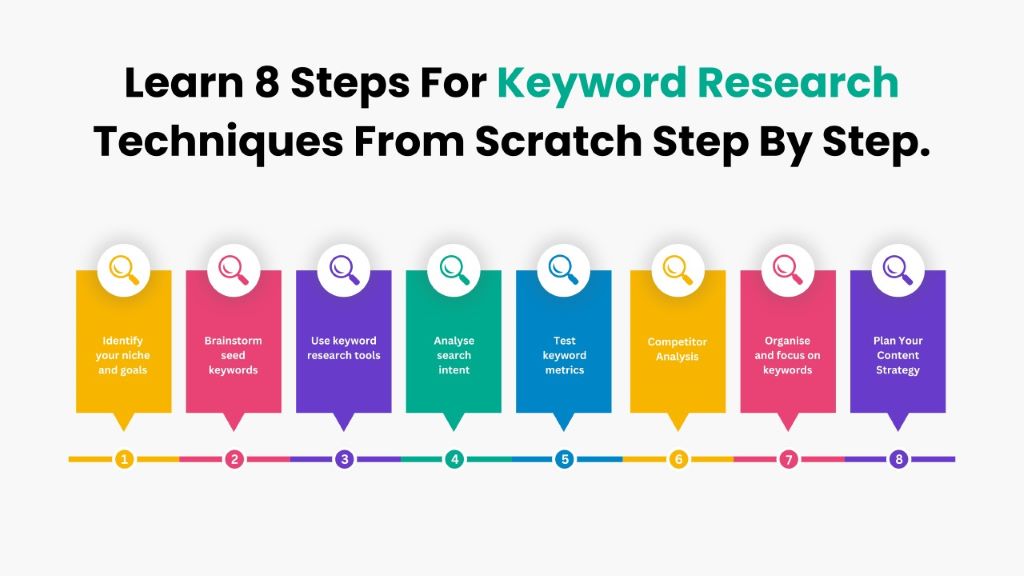
Keywords are the foundation of SEO writing. They are the words and phrases people type into search engines when looking for information. Choosing the right keywords is one of the most important steps in the entire process.
Focus on Search Intent
Search intent refers to the reason behind a search. Someone typing “how to bake a chocolate cake” wants instructions. Someone typing “best chocolate cake near me” wants a local business. Understanding intent helps you create content that truly answers the question. Google rewards content that matches intent closely, so this step is critical.
Target Long-Tail Keywords
Long-tail keywords are longer, more specific phrases. For example, “SEO writing tips for beginners” is a long-tail keyword. These phrases have lower search volume, but they also have much less competition. Therefore, they are easier to rank for, especially if your website is relatively new. Additionally, people who use specific searches are often closer to taking action, which makes them more valuable visitors.
Use Free and Paid Keyword Tools
Several tools can help you find the right keywords. Google Search Console and Google Keyword Planner are free and very useful. Tools like Ahrefs, SEMrush, and Ubersuggest offer more detailed data. However, even without paid tools, you can get excellent ideas by typing a keyword into Google and looking at the autocomplete suggestions and the “People also ask” section at the bottom of the results.
Structuring Your Content for Maximum Impact
How you organize your content matters just as much as what you write. A well-structured article is easier for both readers and search engines to understand. Good structure also keeps readers on your page longer, which sends positive signals to Google.
Write a Compelling Title and Introduction
Your title is the first thing both readers and search engines see. It should include your primary keyword and clearly tell readers what they will get from the article. Keep titles under 60 characters so they display fully in search results. Your introduction should hook the reader immediately. It should also hint at what the rest of the article covers so readers want to keep going.
Use Headings to Break Up Your Content
Headings help readers scan your article quickly. Most people do not read every word online. Instead, they scan for the section that answers their specific question. Using clear headings helps them find what they need fast. Additionally, headings tell search engines what each section is about. Including relevant keywords in your headings, where it feels natural, can further strengthen your ranking potential.
Keep Paragraphs and Sentences Short
Long paragraphs are hard to read, especially on mobile screens. Aim for paragraphs of three to four sentences at most. Short sentences are also easier to understand. Simple language is always better than complex words. When a reader can easily follow your writing, they stay longer. This reduces your bounce rate, which is a positive signal for Google.

Simple On-Page SEO Tips Every Writer Should Know
On-page SEO refers to the elements you can control directly on your web page. These are some of the most impactful changes you can make. Additionally, they do not require any technical skills to implement.
- Include your primary keyword in the first 100 words of your article
- Write a meta description of around 150 characters that includes your keyword and encourages clicks
- Use descriptive alt text for all images so search engines know what each image shows
- Create a clean, keyword-friendly URL slug for each page, such as yoursite.com/seo-writing-tips
- Link to other relevant pages on your own website to help readers explore more content
- Link to trustworthy external sources to support your claims and build credibility
Each of these steps takes only a few minutes. However, together they can make a significant difference in how quickly your content starts to rank.
Writing Content That Satisfies Both Readers and Search Engines
The best SEO content does not feel like SEO content. It reads naturally, answers questions clearly, and provides genuine value. When readers find your content helpful, they share it, link to it, and come back for more. These actions all improve your search rankings over time.
Answer the Reader’s Main Question Early
Do not make readers hunt for the answer they came for. Provide it early and clearly, then go deeper with supporting details. This approach satisfies the reader immediately and also aligns with how Google evaluates content. Pages that answer questions quickly tend to rank higher and are often featured in Google’s answer boxes.
Cover Your Topic Thoroughly
Comprehensive content tends to rank better than thin content. This does not mean padding your article with unnecessary words. It means covering all the important aspects of a topic in one place. When a reader can find everything they need in your article, they do not need to go back to Google. This behavior, known as satisfying a search, is something Google actively rewards.
Use Natural Language and Related Terms
Modern search engines understand that a topic has many related words and phrases. For example, an article about coffee will naturally mention espresso, caffeine, roasting, and brewing. You do not need to force these terms in. Just write naturally and cover your topic well. Google will recognize the depth and relevance of your content through these related terms.
How to Optimize Old Content for Faster Rankings
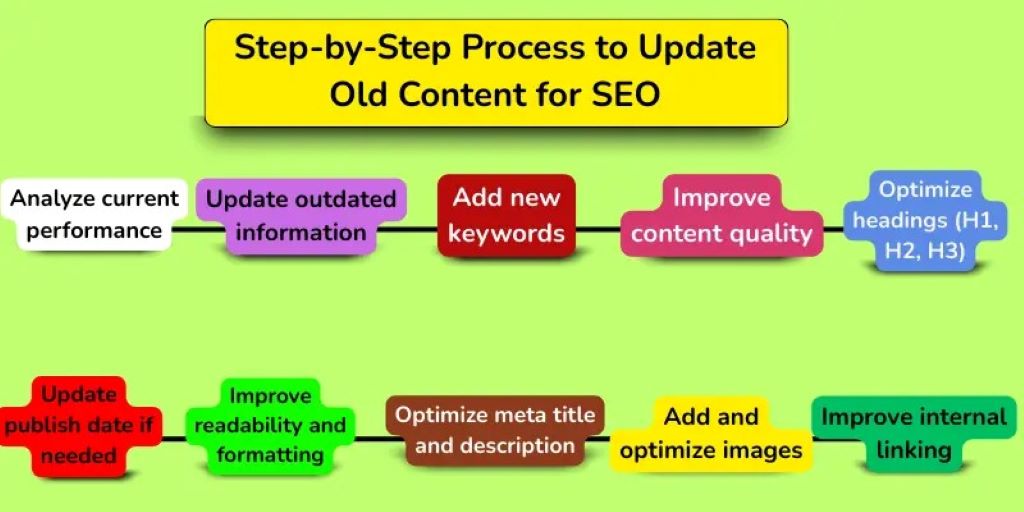
You do not always need to create new content to rank better. Updating existing articles is often faster and more effective. Search engines love fresh, up-to-date information. Therefore, revisiting your old content regularly can give your rankings a significant boost.
Start by looking at articles that rank on page two or three of Google. These pages are close to breaking into the top results. A few strategic improvements can push them onto page one. Check whether the content is still accurate. Add any new information that has become relevant since you first published the article.
Additionally, look at the headings and structure. Can you make them clearer? Are there common questions you missed? Adding a frequently asked questions section is a great way to capture additional long-tail keyword traffic. Also, review your internal links. Linking your updated article from other pages on your site tells Google it is important content.
Common SEO Writing Mistakes to Avoid
Even experienced writers sometimes fall into these traps. Knowing them in advance can save you a lot of wasted effort.
- Writing for search engines only and ignoring what real readers actually need
- Stuffing too many keywords into a single article, which reads unnaturally and can trigger penalties
- Ignoring the meta description, which directly affects how many people click on your result
- Publishing thin content under 500 words that does not fully answer the reader’s question
- Forgetting to update old content, which allows competitors with fresher articles to overtake your rankings
- Using duplicate content, which confuses search engines and splits your ranking potential across multiple pages
Avoiding these mistakes will not only help your content rank faster but also keep it ranking for longer. Additionally, clean and honest SEO practices protect your site from future Google algorithm updates.
How Long Does It Take for SEO Content to Rank
This is one of the most common questions new SEO writers ask. The honest answer is that it depends on several factors. A brand new website with no authority may take three to six months to see significant results. However, an established site with good authority can rank new content within days or weeks.
The competitiveness of your keyword also plays a major role. Low-competition keywords on niche topics can rank quickly, sometimes within a few weeks. High-competition terms in popular industries may take much longer, regardless of content quality.
Therefore, the best strategy is to start with low-competition keywords and build your site’s authority over time. As your domain grows stronger, you can begin targeting more competitive terms. Consistency is the most important ingredient. Publishing quality content regularly will always outperform occasional bursts of activity.
Conclusion
SEO writing is not a mystery. It is simply the practice of creating content that is helpful for readers and easy for search engines to understand. The key elements are solid keyword research, clear structure, natural language, and strong on-page optimization.
Start by understanding what your audience is searching for and why. Then create content that answers those questions better than anyone else. Use short paragraphs, clear headings, and relevant keywords placed naturally throughout. Additionally, do not neglect your existing content. Updating older articles regularly can deliver fast ranking gains with minimal effort.
SEO writing takes practice, but the rewards are worth it. Every piece of well-optimized content you publish is a long-term asset. Therefore, start applying these tips today, stay consistent, and watch your organic traffic grow steadily over time.
Frequently Asked Questions
1. What is the difference between SEO writing and regular writing?
Regular writing focuses purely on engaging the reader. SEO writing does that too, but it also considers how search engines will evaluate the content. This means incorporating relevant keywords, optimizing headings, writing a meta description, and structuring the article in a way that is easy for both humans and search engine crawlers to understand.
2. How many keywords should I use in an SEO article?
There is no exact number that works for every article. A general guideline is to include your primary keyword naturally a few times, roughly once every 200 to 300 words. Additionally, use related keywords and synonyms throughout. The focus should always be on natural, readable writing rather than hitting a specific keyword count.
3. How long should an SEO article be?
The ideal length depends on the topic and the competition. Most well-ranking articles are between 1,000 and 2,500 words. However, some simple topics rank well with 600 to 800 words, while highly competitive topics may need 3,000 words or more. The rule is to write as much as the topic requires to be fully helpful, and no more.
4. Can beginners do SEO writing without any technical knowledge?
Yes, absolutely. The most important part of SEO writing is the writing itself. You do not need to understand code or server settings to create well-optimized content. Basic skills like keyword research, using headings correctly, writing meta descriptions, and structuring your content clearly are all things any beginner can learn and apply right away.
5. Does SEO writing still matter with AI-generated content becoming common?
Yes, SEO writing still matters enormously. While AI tools can help generate drafts, Google evaluates content based on its helpfulness, accuracy, and ability to satisfy user intent. Human judgment, original insights, and genuine expertise are increasingly important for ranking well. Additionally, Google has updated its guidelines to reward content that demonstrates real experience and authority, which AI alone cannot fully replicate.
Related Topics:
- SEO Myths vs. Reality: The Truth About Modern Search Engine Optimization
- Secret Formula to Transform Average Marketing into Revenue