
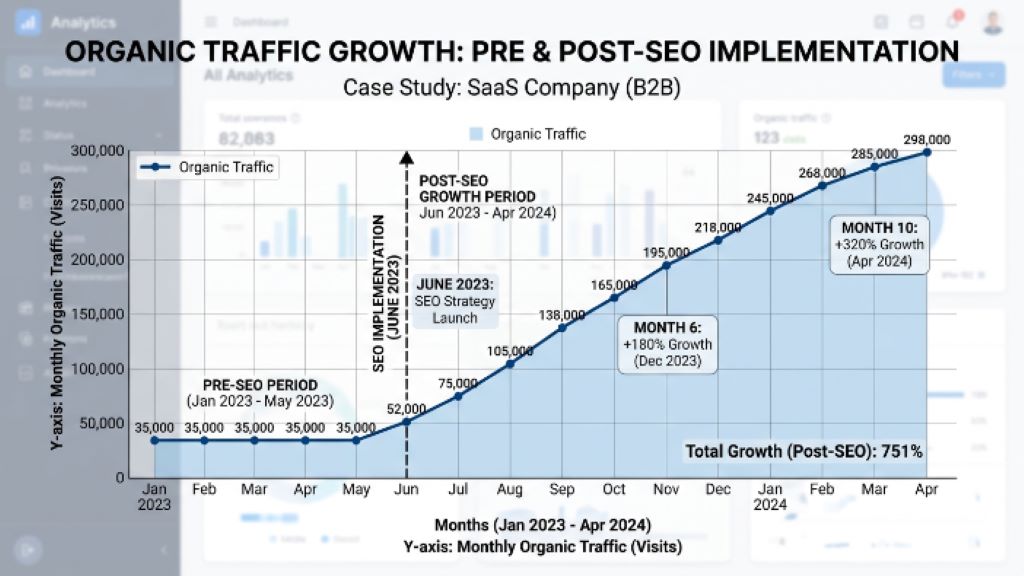
The SaaS industry is one of the fastest-growing sectors in the world. New startups enter the market every day, each trying to win a slice of a competitive digital landscape. However, having a great product is simply not enough. You also need people to find you. That is where SEO becomes a critical tool for sustainable growth.
Search engine optimization helps SaaS startups attract the right audience, build trust, and grow without relying entirely on paid advertising. Therefore, understanding and applying SEO early can make a significant difference in a startup’s long-term success.
Why SEO Matters More for SaaS Than Most Industries
SaaS companies sell software as a subscription. This means customer retention and consistent acquisition are both vital. Unlike e-commerce, where a single sale can cover the cost of acquiring a customer, SaaS businesses often need months to break even on acquisition costs.
Additionally, SaaS buyers do a lot of research before choosing a tool. They search for comparisons, reviews, tutorials, and use-case guides. If your startup does not appear in those searches, you lose potential customers to competitors who do.
SEO, therefore, fills this gap. It places your content directly in front of buyers who are already looking for solutions. This kind of intent-based traffic converts far better than most other channels.
Building a Strong Keyword Foundation
Every effective SEO strategy begins with keyword research. For SaaS startups, this means identifying the terms your ideal customers type into search engines when they have a problem your software solves.
There are three types of keywords you should focus on.
- Informational keywords: These target users who are learning. For example, “how to manage remote teams” or “what is project management software.”
- Comparison keywords: These target buyers who are evaluating options. For example, “best CRM for small business” or “tool A vs tool B.”
- Bottom-of-funnel keywords: These target users ready to buy. For example, “affordable HR software for startups” or “free trial project tracker.”
Covering all three types creates a content funnel that guides users from awareness to conversion. However, you do not need to target thousands of keywords right away. Start small, go deep, and expand from there.
Content Marketing as the Engine of SaaS SEO
Content is the vehicle through which SEO delivers results. For SaaS startups, a well-planned blog is one of the most powerful assets you can build. Each article you publish is a new entry point for potential customers to find you.
The key is to write content that solves real problems. Think about the questions your customers ask during sales calls or support chats. Turn those questions into articles. This approach attracts people with actual pain points, which makes them more likely to explore your product.
Additionally, long-form content tends to rank better. A comprehensive guide of 1,500 to 2,500 words covering a topic thoroughly will outperform a shallow 400-word post. Search engines reward depth, clarity, and usefulness.
You should also consider writing content for different stages of the buyer journey. A beginner guide attracts top-of-funnel readers. A detailed comparison page attracts mid-funnel buyers. A case study or product walkthrough helps close bottom-of-funnel leads.

On-Page SEO Tactics That Drive Results
Writing good content is only part of the equation. You also need to optimize that content so search engines can understand and rank it properly.
Here are the core on-page elements to focus on.
- Title tags: Include your target keyword naturally. Keep the title under 60 characters so it displays fully in search results.
- Meta descriptions: Write a compelling summary of up to 155 characters. It does not directly affect rankings but improves click-through rates.
- Header structure: Use clear headings to break up your content. This helps both readers and search engines.
- Internal linking: Link related articles together. This keeps visitors on your site longer and helps distribute link authority.
- Image alt text: Describe images clearly. This helps with accessibility and gives search engines more context.
- Page speed: Slow pages frustrate users and hurt rankings. Compress images, minimize scripts, and use a fast hosting provider.
These are simple practices, but many startups overlook them. Therefore, getting the basics right gives you an immediate edge over competitors who do not bother.
Technical SEO for SaaS Platforms
Technical SEO ensures that search engines can crawl, index, and understand your website. For SaaS startups, this is especially important because your platform may have login pages, gated content, and dynamic elements that can confuse search bots.
Some key technical areas to address include the following.
- Crawlability: Make sure your public pages are accessible to search engine bots. Use a proper robots.txt file and an XML sitemap.
- Mobile optimization: Most users now browse on mobile devices. Your website must load quickly and display correctly on smaller screens.
- Structured data: Add schema markup to help search engines understand your content type, ratings, FAQs, and more.
- HTTPS security: A secure website builds user trust and is a confirmed ranking signal.
- Canonical tags: If you have duplicate content issues, use canonical tags to tell search engines which version of a page to index.
Technical SEO is not glamorous, but it is the foundation on which all other efforts are built. Without it, even great content may struggle to rank.
Link Building and Domain Authority
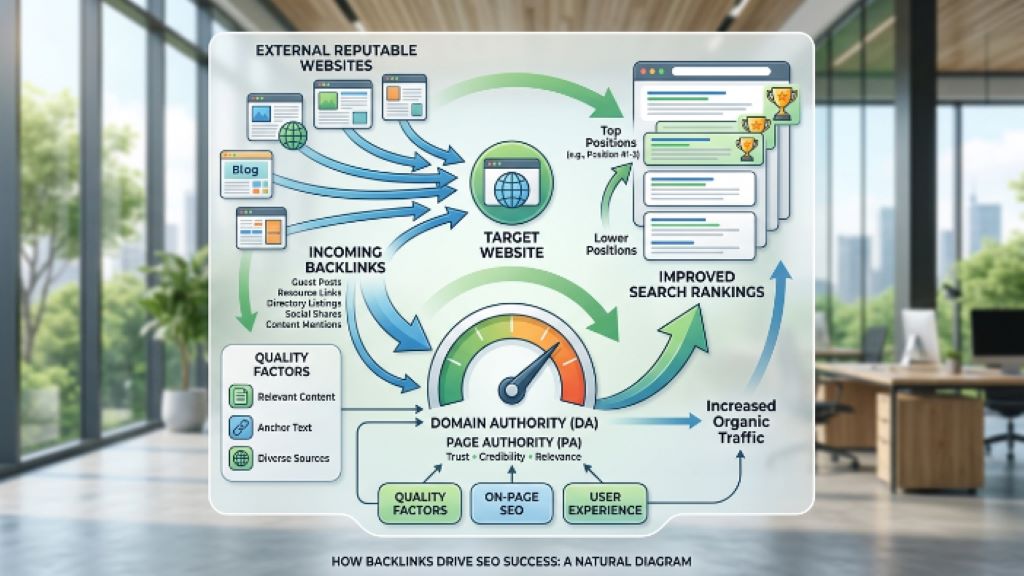
Search engines view links from other websites as votes of confidence. The more high-quality sites that link to your content, the more authority your website gains. This authority helps all your pages rank higher over time.
For SaaS startups, link building can feel daunting. However, there are practical ways to earn links without a big budget.
First, create genuinely useful resources. Original research, industry reports, and free tools attract links naturally. Second, write guest articles for respected blogs in your niche. This builds both links and brand awareness. Third, get listed in relevant software directories like G2, Capterra, and Product Hunt. These are authoritative sites, and listings from them carry real SEO value.
Additionally, building relationships with bloggers, journalists, and influencers in your space can lead to organic mentions. A single feature in a respected publication can drive significant traffic and links.
Measuring SEO Performance and Iterating
SEO is not a set-it-and-forget-it strategy. It requires regular monitoring and adjustment. Therefore, you need to track the right metrics to understand what is working.
Key metrics to watch include organic traffic growth, keyword rankings, click-through rates from search results, bounce rates, and conversion rates from organic visitors.
Tools like Google Search Console and Google Analytics are free and provide valuable data. Use them to identify which pages are gaining traction and which need improvement. If a page ranks on page two or three of search results, updating and improving it can push it to page one.
Additionally, track your competitors. Notice which keywords they rank for and what kind of content performs well in your niche. Use those insights to fill gaps in your own strategy.
Conclusion
SEO offers SaaS startups a cost-effective, long-lasting way to grow. It connects you with buyers who are already searching for solutions like yours. By building a solid keyword strategy, producing helpful content, optimizing your pages, addressing technical issues, and earning quality backlinks, you create a growth engine that compounds over time.
Unlike paid ads that stop the moment your budget runs out, SEO keeps working month after month. Therefore, the earlier a SaaS startup invests in SEO, the sooner it begins to reap the rewards. It is not a quick fix, but it is one of the most reliable paths to sustainable growth in a competitive market.
Start small. Be consistent. Focus on your customer’s needs. The results will follow.
Frequently Asked Questions
How long does it take for SEO to show results for a SaaS startup?
SEO typically takes three to six months to show noticeable results. However, some improvements, such as fixing technical issues or updating existing content, can produce faster gains. Consistency over time is what drives lasting growth.
Should SaaS startups focus on SEO or paid ads first?
Both have value, but they serve different purposes. Paid ads deliver immediate traffic, while SEO builds long-term, sustainable visibility. Ideally, startups use paid ads to get early traction while investing in SEO for future growth. If budget is limited, SEO offers better long-term return on investment.
What type of content works best for SaaS SEO?
How-to guides, comparison articles, use case pages, and original research tend to perform exceptionally well. Content that directly addresses your target customer’s problems and questions drives the most relevant traffic.
Is local SEO relevant for SaaS companies?
Most SaaS companies operate globally, so traditional local SEO is less relevant. However, if your product targets businesses in specific regions or cities, local landing pages and geo-targeted content can be effective.
How many blog posts should a SaaS startup publish per month?
Quality matters more than quantity. Publishing two to four well-researched, optimized articles per month is more effective than churning out low-quality daily posts. Focus on depth, accuracy, and genuine value for the reader.
Related Topics:
How to Incorporate SEO Into Your Website Design: A Complete Guide for New Website Owners
What Is SEO Writing? Simple Tips to Create Content That Ranks Fast