

You have a blog. You write posts. But the traffic never comes, and readers leave without doing anything. Sound familiar? The good news is that writing a blog post that converts readers into customers and attracts search engine traffic is not some dark art. It is a learnable skill. This guide will walk you through every step, from choosing a topic to publishing content that ranks and converts.
Why Most Blog Posts Fail at Both Jobs
Most bloggers make one critical mistake. They write either for search engines or for readers — rarely for both. An SEO-focused post stuffed with keywords feels robotic. A conversational post with no structure never gets found. Therefore, the real goal is to blend both approaches into one seamless piece of content.
Search engines want to serve users the most helpful, relevant content. Readers want clear answers and a reason to take action. When your post satisfies both, you win on two fronts.
Start With the Right Keyword and Intent
Every high-performing blog post begins with keyword research. However, not all keywords are equal. You need to find a keyword that has decent search volume and matches what your audience actually wants to do.
Search intent is the “why” behind a search query. Someone typing “best running shoes” wants a comparison. Someone typing “how to tie running shoes” wants instructions. If your content does not match the intent, visitors will leave quickly, and Google will drop your ranking.
Use free tools like Google Search Console, Ubersuggest, or even the Google autocomplete bar to discover what people are searching for. Once you find a strong keyword, build your entire post around answering that query better than anyone else.
Craft a Headline That Earns the Click
Your headline is the first thing both Google and readers see. A weak headline loses clicks before anyone reads a single word.
A strong headline does three things. It includes your main keyword. It communicates a clear benefit. And it creates enough curiosity to make someone want to read more. Numbers, questions, and power words like “proven,” “simple,” or “fast” tend to perform well.
For example, compare these two headlines:
- “Blog Writing Tips”
- “7 Proven Blog Writing Tips That Drive Traffic and Sales”
The second one tells readers exactly what they will get. Additionally, it signals to search engines that the content is specific and valuable.

Write an Introduction That Hooks Immediately
You have about three seconds to convince a reader to stay. Your introduction must do heavy lifting fast.
Start with the reader’s pain point or a bold statement. Avoid long preambles about yourself or your company. Instead, get to the point. Tell them what problem this post solves and why they should keep reading.
A simple formula works well here: identify the problem, hint at the solution, and promise a clear outcome. Keep sentences short. Use plain language. Readers should feel like you are talking to them, not at them.
Structure Your Post for Skimmers and Deep Readers
People do not read blog posts word for word. They scan. Therefore, your structure must guide both the skimmer and the deep reader toward your key points.
Use descriptive headings that act as mini-summaries. Break up long paragraphs into two or three sentences each. Use bullet points when listing items or steps. White space is your friend — it makes content feel less intimidating.
Here is a simple structure that works every time:
- Introduction: Hook the reader and set expectations
- Body sections: Cover each key point under its own heading
- Subpoints: Use bullet points or short paragraphs for detail
- Conclusion: Summarize and direct the reader to take action
When readers can find what they need quickly, they stay longer. Longer time on page signals quality to search engines, which helps your ranking.
Optimize Without Over-Optimizing
SEO optimization does not mean cramming your keyword into every sentence. In fact, that approach can hurt your ranking. Modern search engines are smart enough to understand topics, not just exact phrases.
Place your main keyword in the title, the first paragraph, one or two headings, and the meta description. Beyond that, write naturally. Use related terms and synonyms throughout the post. This approach, often called semantic SEO, helps search engines understand the full scope of your content.
Additionally, pay attention to technical basics. Use short URLs. Add alt text to images. Link to relevant internal pages on your site. These small details add up to a meaningful SEO advantage over time.
Write Body Content That Builds Trust
The body of your post is where you prove your value. Readers are scanning for answers, so give them clear and direct information. Avoid filler sentences that say nothing.
Each section should answer one specific question or cover one focused idea. Use examples, data, and real scenarios to support your points. When readers feel that you understand their situation, trust grows. Trust is the foundation of conversion.
However, do not make your post a sales pitch. Content that feels promotional too early pushes readers away. Focus on being helpful first. The conversion happens naturally when readers trust you.
Add a Clear and Specific Call to Action
A blog post without a call to action is a missed opportunity. After reading your content, what do you want the reader to do next? Sign up for your newsletter? Download a free guide? Book a consultation?
Your call to action should feel like a natural next step, not a hard sell. Place it at the end of the post and, if appropriate, once in the middle. Keep the language direct and benefit-focused. Instead of “Click here,” try “Get your free content checklist” or “Start your free trial today.”
One call to action per post is usually enough. Too many options confuse readers and reduce the chance they will act on any of them.
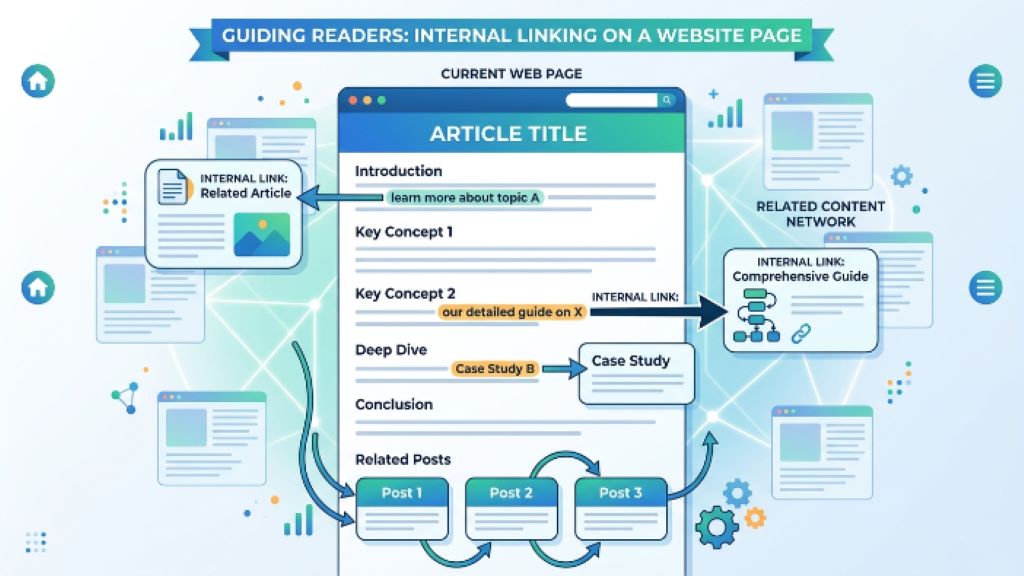
Use Internal Links to Guide Readers Deeper
Internal linking is one of the most underused strategies in blog writing. When you link to other relevant posts on your site, you do two important things. First, you help readers discover more of your content. Second, you help search engines understand how your site is organized.
Link to related posts naturally within your content. For instance, if you mention keyword research, link to a post that covers that topic in depth. This keeps readers on your site longer and distributes ranking authority across your pages.
Conclusion
Writing a blog post that both converts and ranks in search results is not a matter of luck. It requires intention at every step. You start with the right keyword and intent, write a compelling headline, and hook readers fast with a strong introduction. Then you structure the content clearly, optimize thoughtfully, build trust through genuine helpfulness, and close with a focused call to action.
Every element works together. When you get all the pieces right, your blog becomes a reliable source of traffic and leads, not just a place where content disappears into the internet. Start applying these principles to your next post, and watch the difference it makes.
Frequently Asked Questions
How long should a blog post be for good SEO results?
There is no single perfect length. However, posts between 1,200 and 2,000 words tend to rank well because they cover topics in enough depth to satisfy search intent. Focus on being thorough rather than hitting a word count.
How often should I use my main keyword in a blog post?
Use it naturally — typically in the title, opening paragraph, one or two headings, and the meta description. Do not force it. Aim for a keyword density of around 1 to 2 percent and let the rest of your writing flow naturally.
What is the difference between a blog post that ranks and one that converts?
A post that ranks attracts traffic from search engines. A post that converts turns that traffic into leads or customers. The best posts do both by matching search intent and guiding readers toward a clear next step.
Should I update old blog posts for SEO?
Yes, absolutely. Updating old posts with fresh information, better structure, and current keywords can significantly boost their rankings. Search engines favor content that stays accurate and relevant over time.
How do I make my blog post easy to read?
Use short sentences and simple words. Break up text with headings and bullet points. Avoid jargon. Write as if you are explaining something to a friend. Tools like Hemingway Editor or Yoast SEO can help you check readability before publishing.
Related Topics:
What Is SEO Writing? Simple Tips to Create Content That Ranks Fast
How to Research Keywords Using Google Keyword Planner for SEO and Google Ads